






What is wisdom teeth?
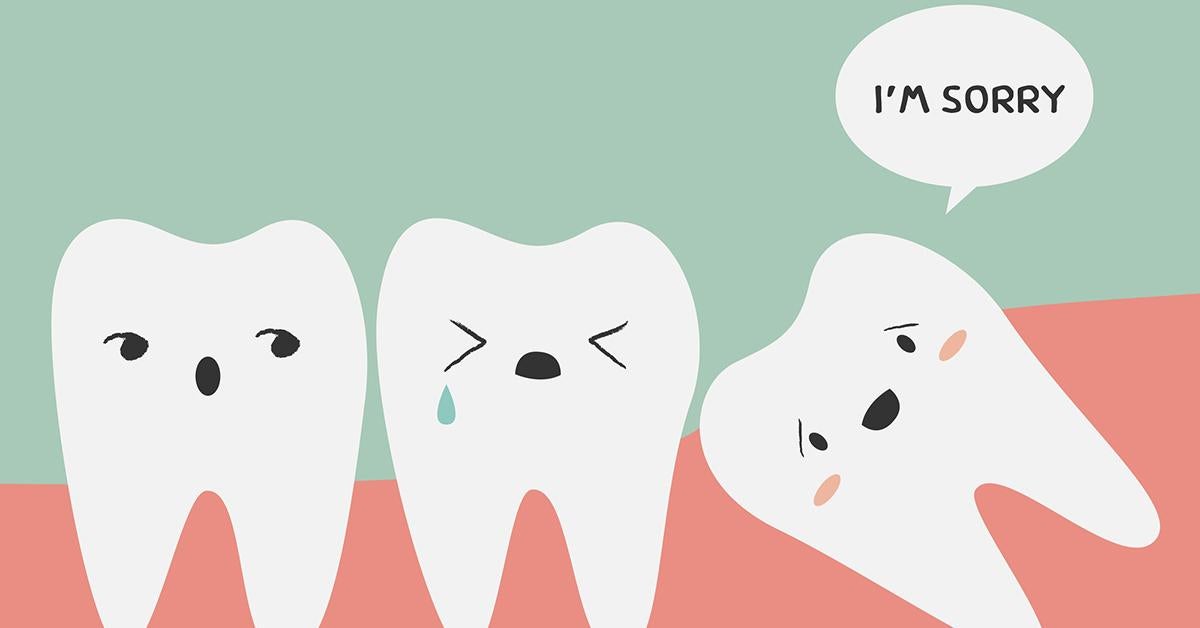
Wisdom teeth are the third set of molars that start to come through between 17-30 years. In some situations, this is quite troublesome and often requires urgent attention to be sort. The removal of wisdom teeth is a relatively common procedure performed by qualified and experienced dentists or oral surgeons.
You will require an examination and diagnostic tests such as X-rays or cone beam CBCT scan.
Why do I have to get my wisdom teeth removed?
Your wisdom teeth may be erupting in the wrong direction and orientation, which can damage other teeth or structures in the jaw
Your jaw may be too small to accommodate all your teeth leading to excessive crowding and therefore reducing the chance of your wisdom teeth coming through. We call this impaction— and can be potentially harmful to adjacent bone or teeth
If your wisdom tooth does not fully erupt it makes it more difficult to clean and especially bacteria that can get lodged in, causing infection
Pathology such as a cyst ( fluid-filled sac) may form around the unerupted wisdom tooth, which can lead to infection and injury to the adjacent tissues including nerves, blood vessels and bone.
There are times when it is prudent to have the wisdom teeth removed before symptoms develop. But, as with all medical procedures, its benefits must be weighed against the risks which could include complications. Your dentist would provide more information specific to you.
The Extraction Procedure
The treatment can be done pain-free by experienced clinicians possibly with only a local anaesthetic that numbs the area and stops you from experiencing any pain; however, often multiple wisdom teeth are being extracted at one visit and other additional options such as sedation or a general anaesthetic may be administered. Your dentist can discuss what type of anaesthesia that's best for you before the procedure.
After the Procedure
The recovery period after wisdom tooth surgery lasts between 1 to 7 days depending on the severity of the procedure and the patient’s own biological and physiological response. During this time, your rest and nutrition is advised to encourage healing. Taking regular pain medication as prescribed. It's normal to experience some bleeding at the surgical site. However soon after the surgery, this is usually controlled by apply gentle pressure by biting with guaze pads and avoiding rinsing or spitting. Also lying with the head elevated rather than flat. In the first 24 hours after the procedure, the use of ice packs on the side of the cheek of the procedure for a few minutes at a time may help reduce swelling. Rinsing the mouth with warm salt water several times a day can also help relieve discomfort and keep the wounds clean.
You should keep up with nutrition and eat soft foods for a few days after the extraction and then progress to a normal diet as tolerated.
Continue brushing carefully and follow up with your dentist is important if there are any concerns.

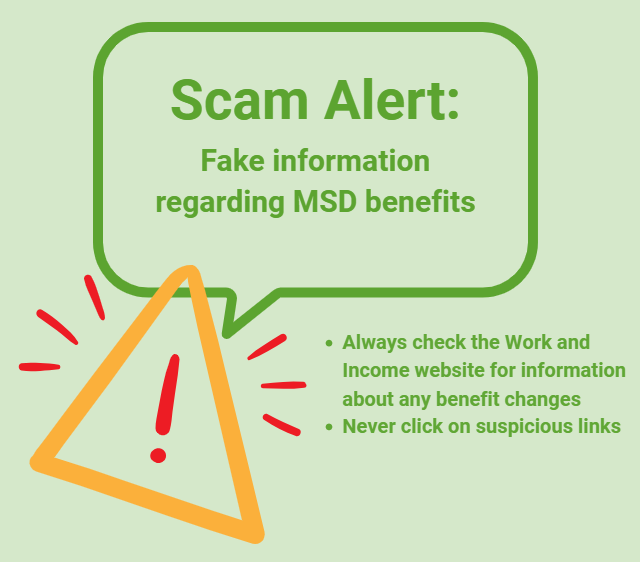
Scam Alert: Fake information regarding December Bonuses from MSD
The Ministry of Social Development is reporting that fake information is circulating about new ‘December bonuses’ or ‘benefit increases’
If you get suspicious communication, please contact Netsafe.

Neighbourhood Challenge: Who Can Crack This One? ⛓️💥❔
What has a head but no brain?
Do you think you know the answer? Simply 'Like' this post if you know the answer and the big reveal will be posted in the comments at 2pm on the day!
Want to stop seeing these in your newsfeed?
Head here and hover on the Following button on the top right of the page (and it will show Unfollow) and then click it. If it is giving you the option to Follow, then you've successfully unfollowed the Riddles page.
Poll: Are Kiwis allergic to “exuberance”? 🥝
In The Post’s opinion piece on the developments set to open across Aotearoa in 2026, John Coop suggests that, as a nation, we’re “allergic to exuberance.”
We want to know: Are we really allergic to showing our excitement?
Is it time to lean into a more optimistic view of the place we call home? As big projects take shape and new opportunities emerge, perhaps it’s worth asking whether a little more confidence (and enthusiasm!) could do us some good.
-
41.4% Yes
-
33.7% Maybe?
-
25% No
 Loading…