





Why potholes are repeatedly patched up rather than fixed
From local democracy reporter Jonathan Leask:
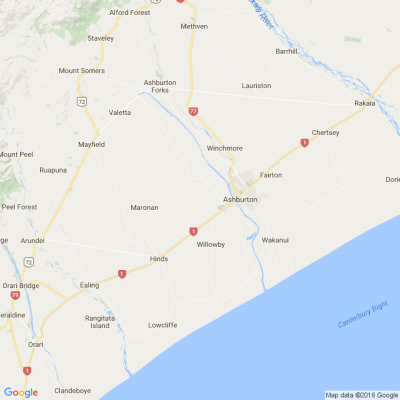
A roading expert has explained why Ashburton district's potholes are repeatedly patched up rather than properly fixed.
It all comes down to funding.
During a recent meeting, councillor Lynette Lovett questioned why the process was to repeatedly patch up potholes rather than just fix the section of road.
Lovett asked if any analysis was done on the cost of repeat pothole patches.
“Is it cheaper to do the darn things properly and clear them, than coming back each week and putting up jolly signs and putting black stuff in the potholes?
“It must balance out somewhere along the line for coming out and filling them all the time to actually digging it up and fixing it properly.”
Roading manager Mark Chamberlain said it comes down to funding.
“Ideally, if there is a bit of pavement getting potholes in it and needs to be dug out, that we would be able to just go ahead and dig out it out and do the repair.
“It’s to do with funding we have got available.
“Some of them have to keep getting patched to try and hold them until we have that money available.”
It had been noted before that the contractor is only paid for the first pothole patch repair. The contract is for $6000 per year, and any subsequent repatching is at their own expense.
The road funding conversation may have given many in the room déjà vu.
Potholes are the perennial number one complaint the council receives.
Funding, and specifically the lack of it, has been a regular discussion around the table, making it a big gripe for council and ratepayers.
Mayor Neil Brown reminded councillors the district has a sealed network of 1500km in the district.
“Last year we replaced 8 to 10km of new road.
“Do the equation and it's 150 years to go around and renew all our roads.”
The new roads are built to last 25 years and “even if they last 40 years we need to be doing 37km a year, but we are doing 8 to 10km, he said.
“Money is the problem and we are going backwards."
In the lead-up to the election, National announced it would establish a Pothole Repair Fund.
The pledge was to establish a $500m fund for state highway and local roading repairs, set a new directive to Waka Kotahi to double the current rate of roading renewals and halve the standard response rate for pothole repair from 48 to 24 hours.
Incoming Rangitata MP James Meager said the funding would be included in the new Government’s revised draft government policy statement that is in its 100-Day Action Plan.


A riddle to start the festive season 🌲🎁🌟
I'm a fruit. If you take away my first letter, I'm a crime. If you take away my first two letters, I'm an animal. If you take away my first and last letter, I'm a form of music. What am I?
Do you think you know the answer? Simply 'Like' this post if you know the answer and the big reveal will be posted in the comments at 2pm on the day!
Want to stop seeing these in your newsfeed?
Head here and hover on the Following button on the top right of the page (and it will show Unfollow) and then click it. If it is giving you the option to Follow, then you've successfully unfollowed the Riddles page.


Poll: Should we be giving the green light to new mining projects? 💰🌲
The Environmental Protection Authority announced this week that a proposed mine in Central Otago (near Cromwell) is about to enter its fast-track assessment process. A final decision could come within six months, and if it’s approved, construction might start as early as mid-2026.
We want to know: Should mining projects like this move ahead?
Keen to dig deeper? Mike White has the scoop.

-
53.4% Yes
-
46.6% No

‘Tis the season to not get scammed ...
As Christmas gift shopping moves increasingly online, scammers are ramping up their activity across the country.
Dunedin’s Investigation Support Unit is seeing more and more people fall victim to scams and other fraudulent activity, particularly on Facebook Marketplace.
There are a few ways to avoid the scams and keep yourself safe doing online trades this holiday season, says Southern District Service Delivery Manager Senior Sergeant Dalton.
🔒 “A good first step when looking to purchase something on Marketplace is to check when the seller’s Facebook profile was created. If it’s very recent, there is a higher risk that they have just created this account for a one-off fake item.”
🔒 Another important step is to make sure the seller’s profile name and bank account name match up. “We’re seeing a lot of scammers claiming their bank account name is different because it belongs to their partner or family member - that’s a huge red flag."
🔒 “When you’re selling, never trust a screenshot anyone sends you showing that payment has been made. Check your own bank account to make sure a payment has gone through."
🔒 “Quite frankly, it’s best for all parties to agree to pay, or be paid, for items in cash and in-person. Ideally in a public place with CCTV coverage."
🔒 "If you’re buying a car, check Carjam.co.nz to see if it’s stolen or if there’s money owed on it.”
A reminder: Suspicious activity can be reported on 105

 Loading…